
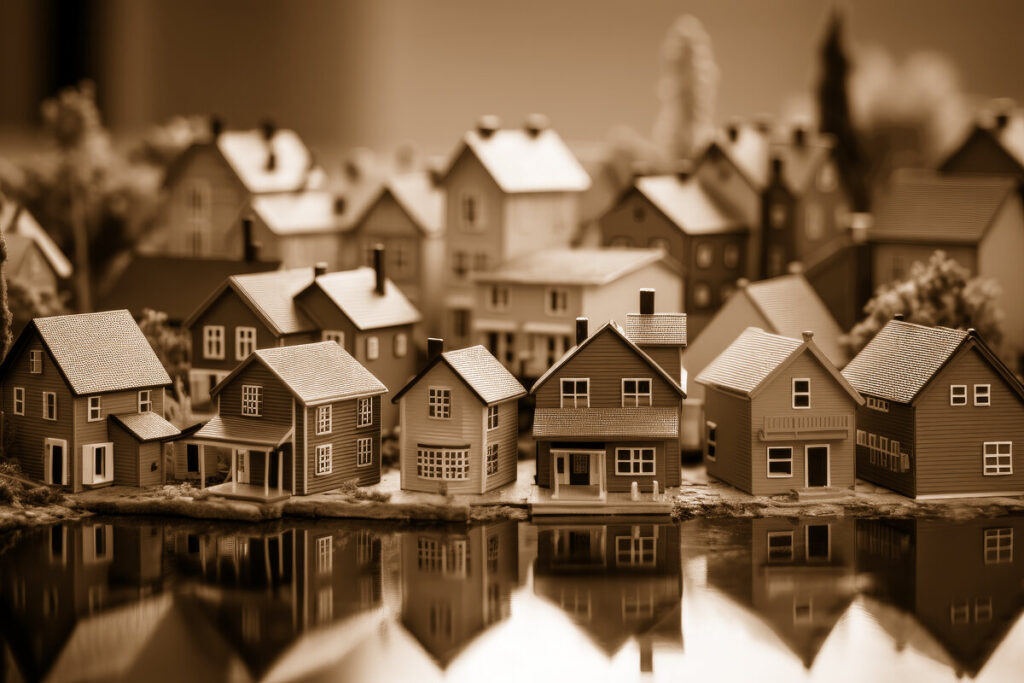
Nestled in the western stretch of Glendale, Arizona, the Park Paseo neighborhood is a living testament to the city’s dynamic history and vibrant community spirit. As any longtime resident will tell you, Park Paseo carries a distinctive charm—where every street and home, every park and pathway, narrates a piece of Glendale’s remarkable story.
The Early Days: Origins of Park Paseo
Glendale emerged in the late 1800s as a farming settlement, shaped by canals and the formidable vision of founder William John Murphy. But the roots of Park Paseo reach back to the transformative years of the mid-20th century. By the 1970s, Glendale was booming with growth, and planned neighborhoods like Park Paseo were developed to offer the perfect mix of suburban comfort and community convenience.
The neighborhood’s name, “Park Paseo,” reflects its early design philosophy. In Spanish, “paseo” means promenade or walkway—a name chosen to capture the neighborhood’s focus on wide, walkable avenues and generous green belts connecting homes to nature. Even today, you’ll find residents out for evening strolls beneath mature shade trees, reminiscent of the friendly, open spirit that inspired Park Paseo’s foundation.
Naming, Boundaries, and Heritage
Park Paseo is conveniently bounded by Northern Avenue to the north, 51st Avenue to the west, and olive-shaded local streets like West Echo Lane. Its location places residents near some of Glendale’s oldest arteries, tying the neighborhood to the city’s historic lifeblood.
Community leaders and developers at the time envisioned Park Paseo as a unique blend of park-like surroundings and accessible city living. The name cemented this ethos—Park Paseo isn’t just a neighborhood, but a “park promenade,” a place where greenery and walkable spaces define daily life. The network of meandering sidewalks and landscaped common areas, especially those near Cholla Park and the Osuna Park Historic District to the south, remain treasured by residents.
Key Historical Milestones
- 1970s-80s: Foundations Laid
Park Paseo’s initial development was part of Glendale’s population surge during the late 20th century. Homes here display classic ranch and Spanish revival influences—arched entryways and low-pitched roofs giving the neighborhood its cozy, welcoming look.
- Community Growth
From families new to Arizona to longtime locals, Park Paseo quickly attracted a diverse population. The design encouraged block parties, neighborhood yard sales, and a close-knit feel still cherished today.
- Modernization and Preservation
In the 1990s and early 2000s, residents banded together to maintain aging landscapes and refurbish the neighborhood’s original infrastructure. The neighborhood association—active to this day—champions beautification projects and preserves Park Paseo’s unique character even as Glendale grows.
Notable Landmarks and Institutions
While Park Paseo is mainly a residential enclave, it sits conveniently near some of Glendale’s most beloved landmarks:
- Cholla Park
Located just east of the neighborhood, Cholla Park offers sprawling soccer fields, shaded picnic areas, and a playground—making it a favorite weekend destination for Park Paseo’s young families.
- Nearby Historic Downtown Glendale
It’s just a short drive down 51st Avenue to Glendale’s historic downtown district, home to antique shops, charming cafes, and the legendary Cerreta Candy Company. For Park Paseo residents, this proximity means heritage and history are never far away.
- Cactus High School and Glendale Community College
Bordered by the academic pulse of nearby schools, Park Paseo benefits from programs and activities hosted by these institutions—welcoming generations of students and educators.
- The Grand Canal
Part of the original irrigation system that made Glendale possible, the Grand Canal borders the north side of the area, human-made waterway that shaped the agricultural landscape long before Park Paseo’s homes were built.
Evolution Through the Decades
Park Paseo remains an anchor of Glendale’s west side. The 1980s and ‘90s brought new amenities and an influx of young families. Over the years, the neighborhood has skillfully balanced modernization with preservation; home renovations blend original charm with contemporary upgrades.
Community events from the annual fall block party to spring clean-up days have fostered long-term neighborly bonds. Recent years have seen an increased focus on sustainability—residents choose drought-tolerant landscaping and participate in city-wide recycling initiatives to ensure Park Paseo thrives amid Arizona’s changing climate.
What Makes Park Paseo Special Today
Ask anyone why they love living in Park Paseo, and you’ll hear about more than just the beautiful streets or the quiet, walkable avenues. Residents, both new and old, point to:
- A deep sense of belonging—where newcomers are welcomed just as warmly as lifelong Glendale families.
- Interconnections via sidewalks and greenways that encourage everything from impromptu dog walks to evening gatherings.
- A commitment to historic preservation, paired with an openness to carefully planned renewal.
Among the tree-lined streets of Park Paseo, original character endures. Street names like West Northern Avenue and North 49th Drive evoke stories of the past, while the friendly wave from a neighbor is a reminder that Park Paseo’s true heritage lies in its people.
Conclusion: Looking Toward the Future
Park Paseo is more than just a place to call home. It’s a thriving community—one that reveres Glendale’s rich agricultural and civic origins while eagerly anticipating the decades to come. Whether you’re raising a family, enjoying retirement, or simply seeking a friendly face, Park Paseo offers that rare combination of history, warmth, and promise.
So next time you stroll down its shaded paseo, take a moment to appreciate the heritage all around you. Here, Glendale’s proud past and its hopeful future walk hand in hand.